
Hi, I'm David Suson. I help leaders, teams, and organizations see people, problems, and possibilities in a new way.
That might sound simple, but I've learned that the way we see something often determines what we do next. It shapes how we lead, how we listen, how we respond under pressure, how we handle conflict, how we build trust, and how much of our own potential we allow ourselves to use.
The obstacle is often the doorway. The frustration is often the clue. The person we are struggling with may be the person who teaches us the most. And the thing we think is holding us back is often pointing us toward the shift we need most. But I did not learn that from a textbook. I learned it the hard way.
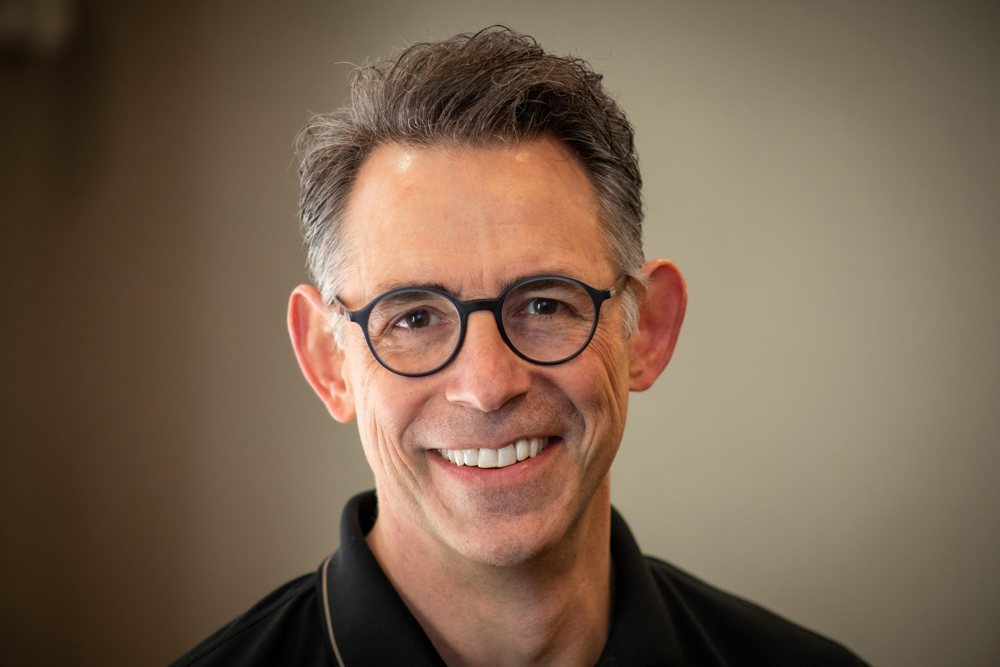
Most people who see me speak today assume I must have always been comfortable in front of an audience. I was not.
In college, I had to give a short presentation. I stood in front of the room and froze. My heart pounded. My mind went blank. The words barely came out. Eventually, the professor walked over, tapped me on the shoulder, and told me to sit down. I went back to my dorm room embarrassed, exhausted, and ashamed.
Years later, during my first job at IBM, my manager asked me to present to a group of customers. I prepared the invitation. I helped get people registered. I did everything I was supposed to do. Then the fear came back. The morning of the presentation, I called a co-worker and begged him to do it for me. He did. I sat in the audience pretending that was the plan.
That moment could have stayed a private embarrassment. Instead, it became a turning point. I realized that if I wanted to do meaningful work, I had to stop avoiding the thing that scared me most. So I took a speaking course. Every week, I had to stand up and talk for one to three minutes. I was still nervous, but I kept showing up.
Then something surprising happened. I started to love it. The thing I feared became one of the greatest tools of my life.
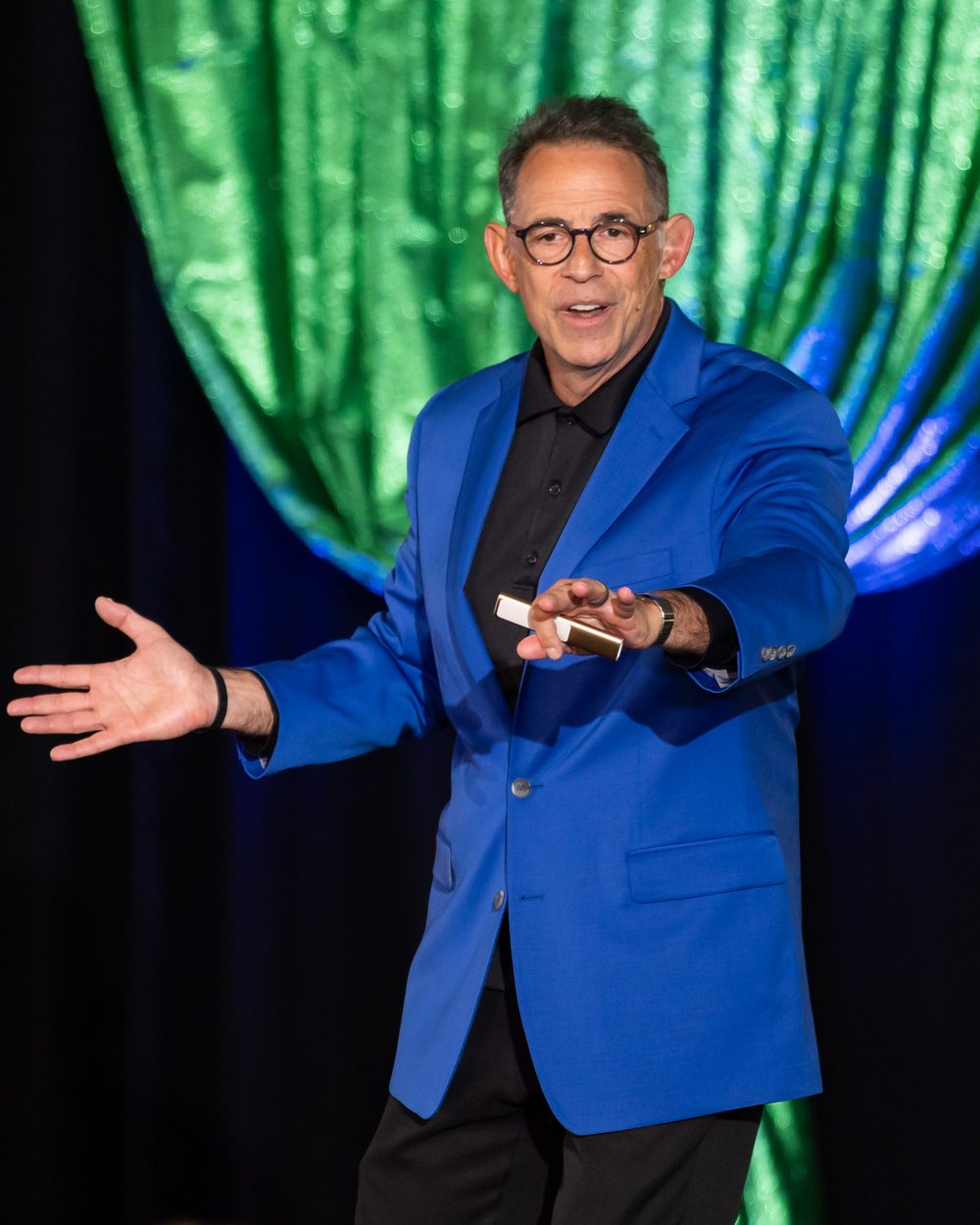
When I was 12 years old, my father died of pancreatic cancer. My mother was left with three kids, a business she had never run, medical bills, business debt, and no easy path forward. People told her to sell the business and get a job.
She chose a different question. Not "Why me?" Not "What now?" But:
How can I learn the business? How can I pay the debt? How can I take care of my kids? How can I keep going?
She worked from early morning until night. She learned what she needed to learn. She negotiated, collected, sacrificed, and persevered. More importantly, she filled our home with optimism, personal growth, and the belief that we could choose how we looked at life. One of her lessons became a foundation for my work:
That does not mean life is easy. It means our attention matters. What we look for changes what we find. What we find changes what we believe. What we believe changes what we do. That lesson still lives in everything I teach.
I had spent much of my life protecting the identity that I was "smart." It helped me solve problems, simplify complex ideas, and succeed in technical sales. It also got in my way. I overanalyzed. I argued. I avoided decisions because I did not want to be wrong. Eventually, I had to face the truth:
That realization changed how I saw leadership, confidence, communication, and human behavior. It is also why I connect so deeply with people in the audience.
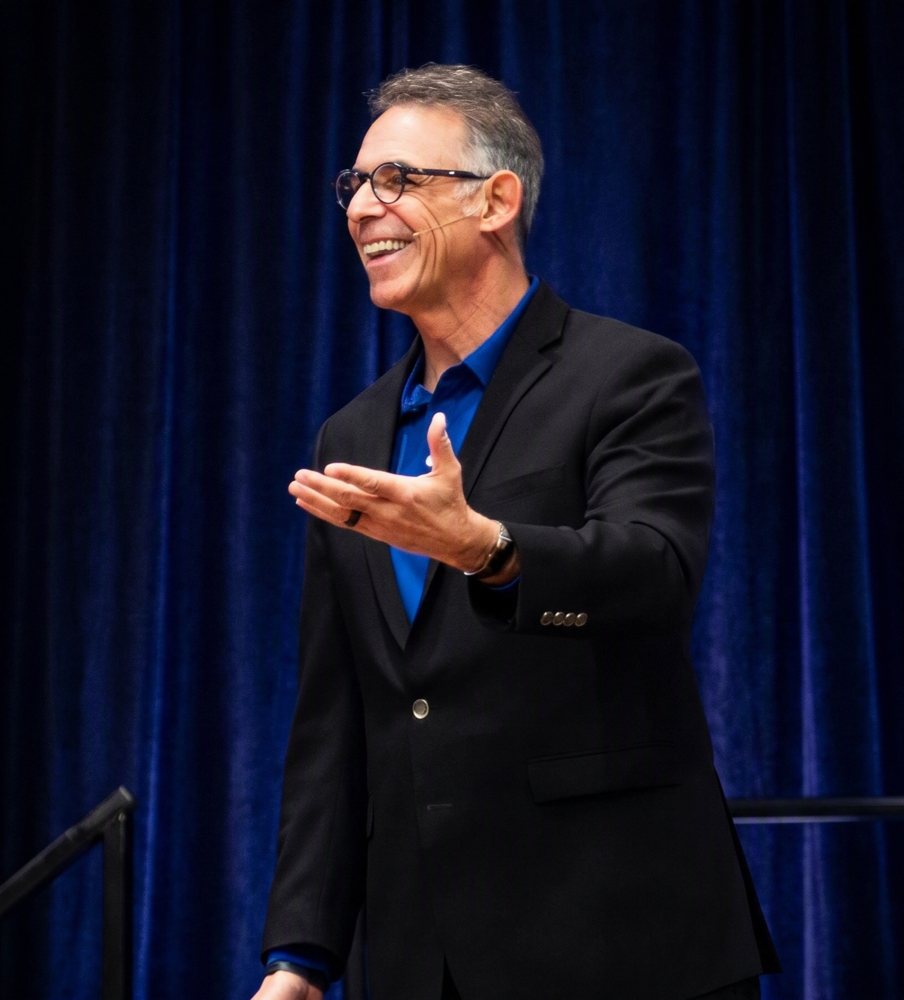
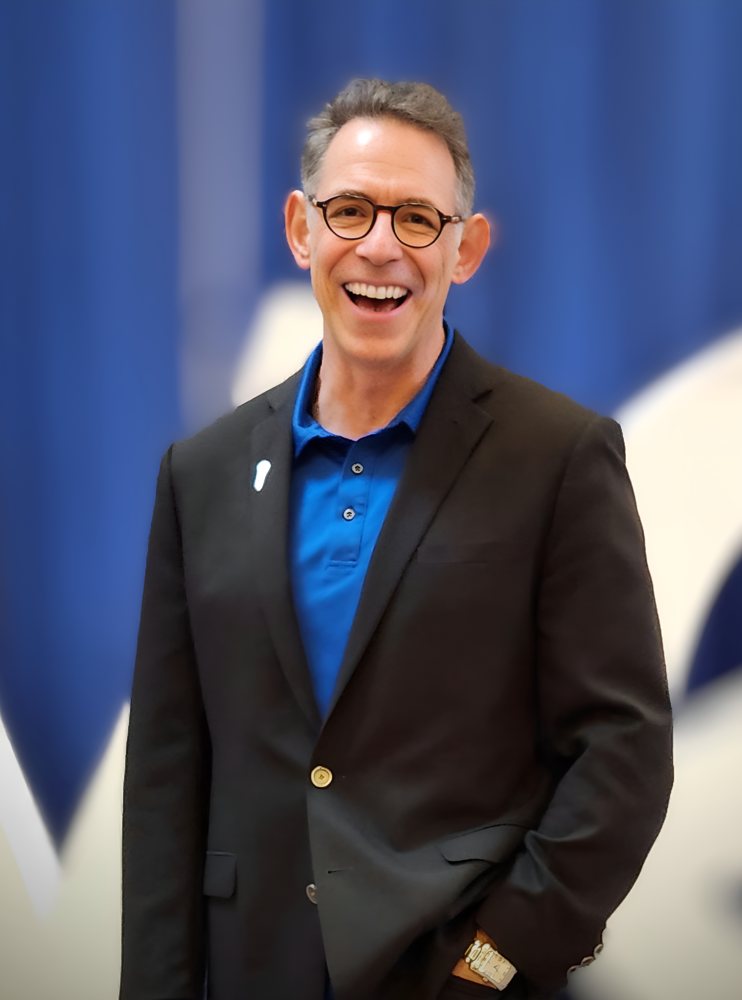
My degree is in Electrical and Computer Engineering. I started my career at IBM and went on to sell and lead in software, technology, consulting, and business solutions. That technical background trained me to look for root causes. My leadership experience taught me that most people problems are rarely just people problems.
Behind resistance, there is often fear. Behind conflict, there is often a perception gap. Behind poor performance, there is often a missing belief, unclear expectation, or unspoken need. Behind disengagement, there is often a person who no longer feels seen, valued, or capable.
That is why my work blends business, behavior, leadership, psychology, communication, and real-life application. I do not believe audiences need more information. They need the right insight at the right moment, delivered in a way they can see themselves in. That is where change begins.
Scientists have spent decades mapping how perception really works: the brain judges a person in a tenth of a second, sees what it expects to see, and explains other people's behavior by their character while excusing our own by our circumstances. I didn't invent any of that. What I've done, across 3,000+ interviews with top performers and 2,000+ presentations to 200,000+ people in all 50 states and internationally, is turn the science of perception into a code anyone can use on an ordinary Tuesday.
Your brain forms a verdict about a person in a fraction of a second, then quietly defends it. Spot the snap judgment before it decides for you, and see what is really happening beneath the resistance, the conflict, the behavior.
In one famous experiment, half the people watching a video missed a person in a gorilla suit walking through the middle of it. We do not see what we are not looking for. Shift what you look for in a person, and your brain starts finding different evidence.
Decades of research on expectancy show that people tend to rise, or sink, to what their leaders expect of them. Spark a better response by changing the expectation first, in yourself and in the people around you.
The science says we see what we expect to see. The Perception Code teaches you to expect better, on purpose. Because when perception changes, behavior changes. And when behavior changes, relationships, performance, trust, and culture change with it.
I am not interested in giving audiences a temporary motivational high. I want them to experience an "aha" they can use the same day. The kind of moment where someone thinks: "That explains why I do that." "That explains why they do that." "I never thought of it that way." "I can use this with my team." "I can use this with my family." "I can use this with myself."
The best keynotes do more than entertain. They create recognition. People laugh because they see themselves. They lean in because the story feels familiar. They remember because the idea lands simply. They act because the next step feels possible.
That is what I try to create every time I step on stage: insight without complexity, humor without fluff, depth without heaviness, and practical tools without making people feel broken.
When people leave one of my programs, I want them to feel more hopeful, more aware, and more responsible for the impact they have. I want leaders to ask, "How can I bring out the best in this person?" I want teams to ask, "How can we see each other more clearly?" I want individuals to ask, "How can I stop letting fear, ego, or old stories decide what I do next?"
And I want everyone in the room to remember that small shifts matter. A better question can change a conversation. A better conversation can change a relationship. A better relationship can change a team. A better team can change an organization. And sometimes, it starts with three words:
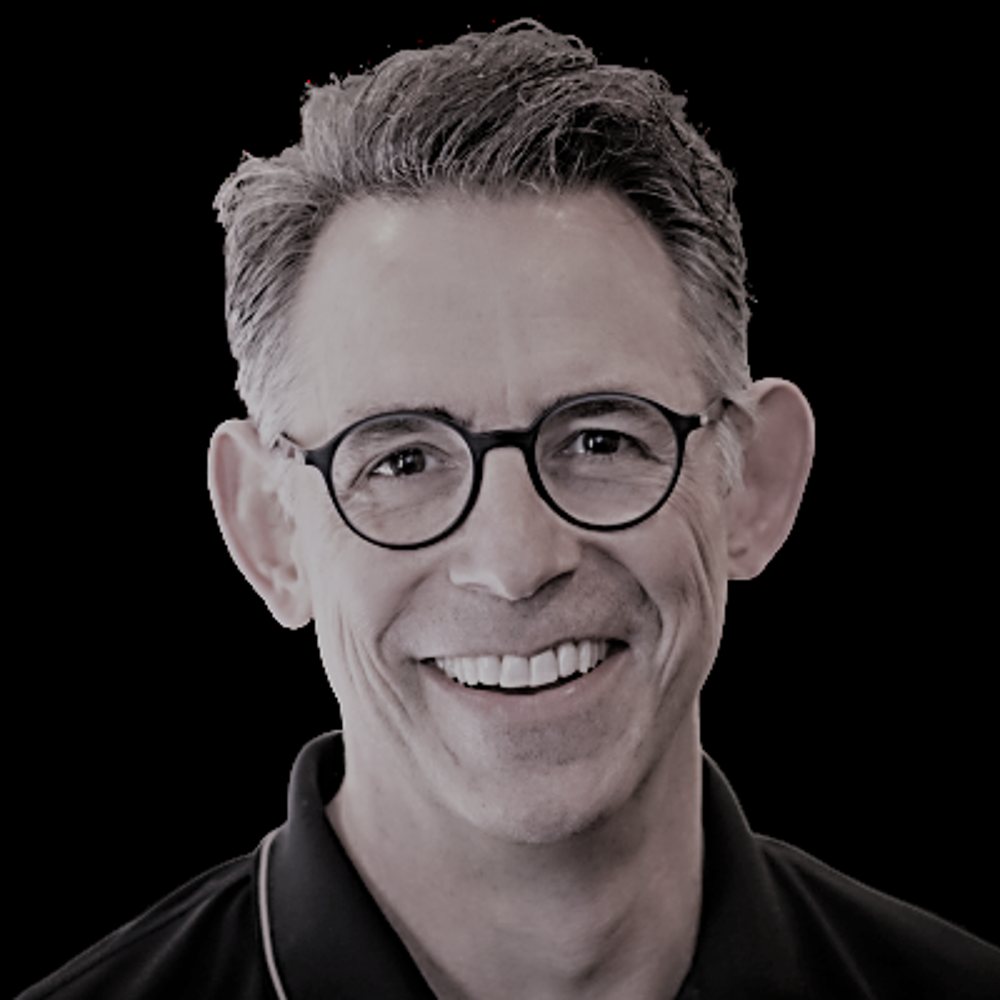
I am a husband, father, learner, problem-solver, recovering overthinker, and lifelong believer that people are capable of more than they realize.
I have succeeded. I have failed. I have been confident. I have been afraid. I have led well. I have missed the mark. And all of it has shaped the work I do today. Because audiences do not connect with perfect. They connect with real.
My promise is to bring the real: the stories, the insight, the humor, the tools, and the kind of practical wisdom that helps people see themselves and others differently. Because when people see differently, they lead differently. They communicate differently. They live differently. And that is why I do what I do.
If this is the kind of shift your audience needs, let's find out if there's a fit for your event.
Check David's Availability